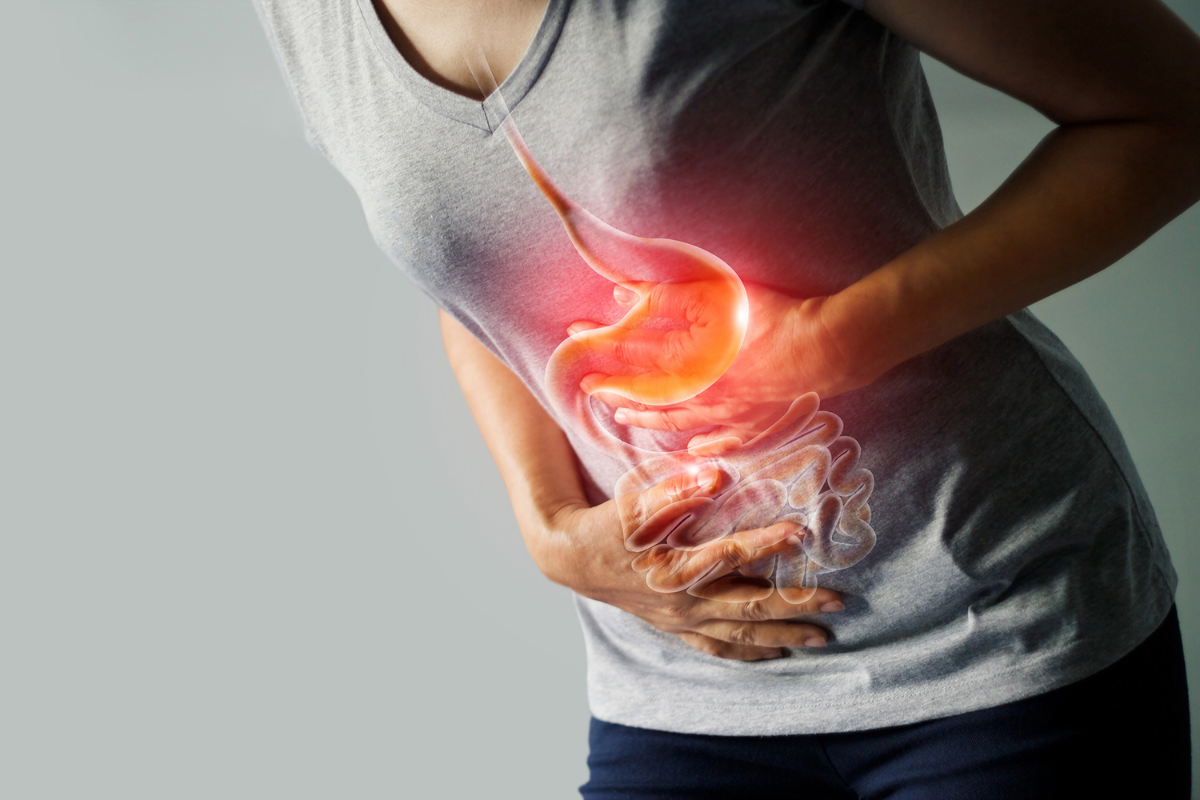

Gastrointestinal Diseases: Symptoms, Treatment & Causes
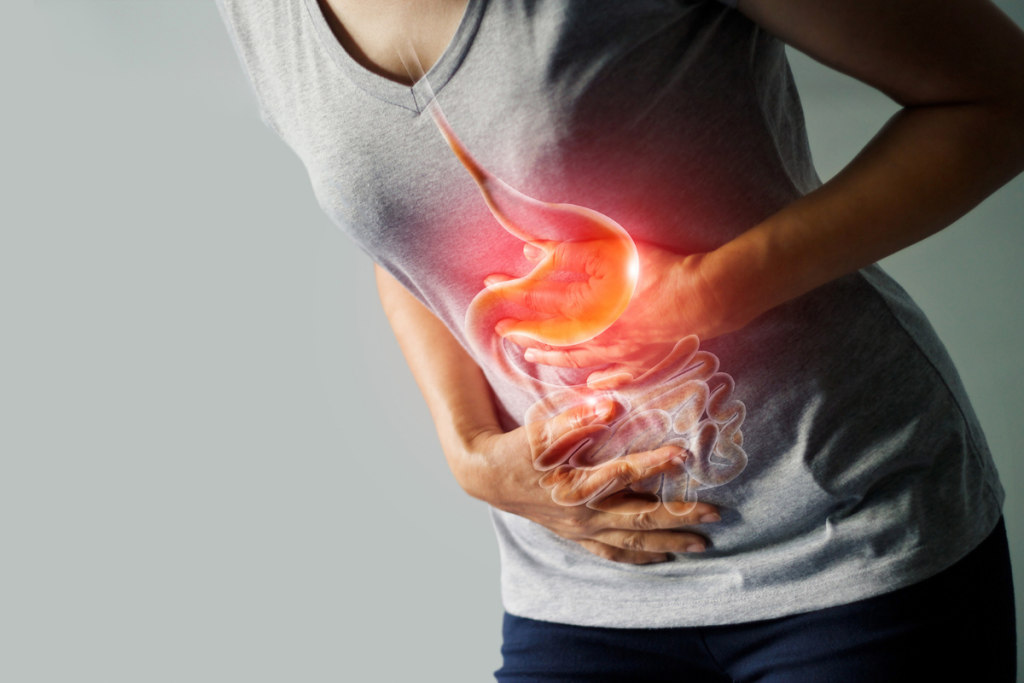
What Are Gastrointestinal Diseases?
Let’s start with the basics. The gastrointestinal (GI) tract is the system in your body responsible for digesting food and absorbing nutrients. It runs from your mouth to your rectum—yes, it’s a long road!
So, what exactly are GI diseases?
Gastrointestinal diseases are disorders that affect one or more parts of this system—your stomach, intestines, esophagus, colon, and even your liver and pancreas. They can be mild, like occasional acid reflux, or more serious, like Crohn’s disease or colorectal cancer.
Gastrointestinal diseases are disorders that affect one or more parts of this system—your stomach, intestines, esophagus, colon, and even your liver and pancreas. They can be mild, like occasional acid reflux, or more serious, like Crohn’s disease or colorectal cancer.
Some symptoms are obvious, like stomach pain or diarrhea. Others, like fatigue or unexplained weight loss, can be sneakier.
Functional vs. Structural GI Diseases: What’s the Difference?
You might hear doctors talk about functional and structural gastrointestinal diseases. Let’s break that down in simple terms.
Functional GI Diseases
These are conditions where your GI tract looks normal on tests like X-rays or endoscopies, but it doesn’t work properly. Think of it like your car having a full tank and shiny exterior—but the engine still stutters.
Common examples include:
- Irritable Bowel Syndrome (IBS)
- Functional dyspepsia (chronic indigestion)
Symptoms might include bloating, gas, constipation, or abdominal pain—things that come and go, sometimes without a clear cause.
Structural GI Diseases
These involve actual physical changes or damage to the GI tract—things that can be seen during a scan or exam.
Examples include:
- Ulcers
- Hemorrhoids
- Colon polyps
- Colorectal cancer
- Inflammatory Bowel Disease (IBD), including Crohn’s and ulcerative colitis
These conditions often require more specialized care and, in some cases, surgery or long-term treatment.
Symptoms of Gastrointestinal Diseases
Let’s be honest—most of us have dealt with a tummy ache or bloating at some point. But when do those symptoms cross the line from “normal” to “something you should check out”? That’s where understanding the early symptoms of gastrointestinal diseases becomes incredibly important.
One of the trickiest parts about GI diseases is that many of the symptoms overlap. This can make it tough to figure out what’s going on without proper testing. But that doesn’t mean you should ignore the signs. Paying attention to your gut could help you catch a problem early—sometimes even before it becomes serious.
Let’s talk through some of the most common symptoms people experience when they’re dealing with GI issues.
Abdominal Pain or Cramps
This is often the first sign that something isn’t right. The pain may come and go, or it might stick around longer than expected. It could be dull and achy, or sharp and intense. Inflammatory conditions like Crohn’s disease or ulcerative colitis often cause chronic cramping, while sudden pain might point to an obstruction or infection.
Bloating and Gas
We all get bloated sometimes—maybe after a big meal or a little too much soda. But persistent bloating can be a signal that your body is struggling to digest food properly. It could be related to lactose intolerance, irritable bowel syndrome (IBS), or even small intestinal bacterial overgrowth (SIBO).
Heartburn and Acid Reflux
That burning feeling in your chest, especially after eating or lying down, could be acid reflux. While it’s common, frequent heartburn may be a sign of gastroesophageal reflux disease (GERD), a condition that requires medical attention to prevent complications like esophageal damage.
Constipation or Diarrhea
Changes in your bowel habits are often a red flag. Constipation might mean your digestion is slowing down or there’s a blockage. Diarrhea, especially when chronic, could point to inflammation, infection, or food sensitivities. Both symptoms are common in functional disorders like IBS.
Nausea or Vomiting
Feeling sick to your stomach or throwing up repeatedly isn’t normal, even if it seems like a stomach bug. These symptoms can be caused by infections, ulcers, or even serious problems like gastrointestinal obstructions or liver issues.
Blood in Stool or Dark Stools
Seeing blood in the toilet can be alarming—and it should be. Bright red blood might mean hemorrhoids or fissures, but darker, tar-like stools can suggest bleeding higher up in the GI tract. This symptom needs to be evaluated right away, as it could point to ulcers or even gastrointestinal cancers.
Unexplained Weight Loss
Losing weight without trying might sound like a dream to some, but in the medical world, it’s a warning sign. It often suggests that your body isn’t absorbing nutrients properly, which can happen with celiac disease, Crohn’s, or cancer. If you notice this happening, it’s time to talk to a specialist.
Fatigue
When your digestive system isn’t working well, your whole body feels it. Chronic GI diseases can drain your energy, leaving you feeling tired no matter how much you rest. This is especially true in conditions like inflammatory bowel disease, where inflammation can take a toll on your body day after day.
What Are the Most Common GI Diseases?
You might be wondering, what are the most common conditions to look out for?
Here’s a quick look at some of the GI issues I see most often in my clinic
| Condition | Typical Symptoms | Is It Serious? |
|---|---|---|
| Acid Reflux (GERD) | Heartburn, regurgitation, chest pain | Common but manageable |
| Irritable Bowel Syndrome | Bloating, gas, diarrhea, or constipation | Not life-threatening |
| Peptic Ulcers | Burning stomach pain, nausea | Needs treatment to prevent bleeding |
| Gallstones | Sudden upper right abdominal pain | May need surgery |
| Inflammatory Bowel Disease | Diarrhea, weight loss, fatigue, rectal bleeding | Can be serious without treatment |
| Colorectal Cancer | Blood in stool, weight loss, changes in bowel habits | Needs urgent care and monitoring |
Each person’s journey is different. Some people live with GI issues for years without serious problems, while others may need early intervention.
Diagnosis of Gastrointestinal Diseases
Getting a proper diagnosis is the first, and often the most important, step in treating gastrointestinal diseases. Many symptoms — like stomach pain, bloating, or changes in bowel habits — can overlap across different conditions, which can make things confusing or even worrying for patients. That’s why doctors take a comprehensive approach, combining your medical history with the right diagnostic tools to get to the root of the issue.
It usually starts with a detailed discussion about your symptoms, how long you’ve been experiencing them, and whether they’re linked to specific triggers like certain foods, stress, or medications. Your doctor will also ask about your lifestyle, family history of GI issues, and any recent travel or infections. This part is crucial, because your answers can often offer important clues.
After the initial consultation, a physical examination follows — your doctor might gently press on your abdomen to check for tenderness, swelling, or unusual sounds in the gut. But that’s just the beginning.
To get a clear picture of what’s happening inside your body, further tests are usually recommended. Here are some of the most common ones:
-
Endoscopy and Colonoscopy
These procedures let your doctor visually examine your digestive tract using a thin, flexible tube with a camera on the end. An endoscopy is typically used to inspect the upper GI tract (esophagus, stomach, and the start of the small intestine), while a colonoscopy is used for the lower tract, including the colon and rectum. They might sound intimidating, but they’re extremely helpful in detecting ulcers, inflammation, growths, and even early signs of cancer.
-
Blood Tests
A simple blood draw can reveal a lot — from infections and inflammation levels to signs of celiac disease or anemia. These markers can help confirm or rule out certain conditions without any invasive procedures.
-
Stool Tests
Yes, it’s not the most glamorous part of the process — but stool tests are incredibly useful. They can detect infections like parasites or bacteria, signs of internal bleeding, or whether your body is properly absorbing nutrients.
-
Imaging Tests
Y Depending on your symptoms, your doctor might recommend imaging like a CT scan, ultrasound, or MRI. These scans create detailed pictures of your internal organs, helping to detect problems like gallstones, blockages, tumors, or inflammation.
-
Biopsy
During an endoscopy or colonoscopy, your doctor might take a small tissue sample — known as a biopsy — from any area that looks unusual. This sample is sent to a lab for closer examination. It’s often the best way to confirm conditions like celiac disease, inflammatory bowel disease, or cancer.
Can Gastrointestinal Diseases Be Prevented?
That’s a great question. The short answer is: sometimes. While you can’t always control genetics or certain infections, there are a lot of things you can do to protect your digestive health.
Here are a few habits I always recommend to my patients:
- Eat more fiber: Whole grains, fruits, and vegetables help keep your system moving.
- Stay hydrated: Your digestive tract needs water to function properly.
- Limit processed foods and red meat: These have been linked to higher risks of colon cancer.
- Don’t ignore bathroom habits: Holding in bowel movements or straining often can cause problems over time.
- Manage stress: Believe it or not, your gut is sensitive to emotions.
- Get screened: Especially for colorectal cancer if you're over 45 or have a family history.
Treatment Options for Gastrointestinal Diseases
Once we have a diagnosis, the next big question is — what can be done about it? The good news is that many gastrointestinal diseases are manageable, especially when caught early.
Treatment depends on the type of disease, how severe it is, and your overall health. Some people may only need to adjust their diet, while others might require medication or even surgery. Here’s a breakdown of the most common approaches:
- Dietary changes: For some conditions like celiac disease or IBS, what you eat can play a huge role. A gluten-free diet or a low FODMAP plan can reduce symptoms dramatically. High-fiber diets also help with regular bowel function.
- Medications: Depending on your diagnosis, you may need acid-reducing drugs, antibiotics for infections, antispasmodics for cramping, or even immunosuppressants for diseases like Crohn’s.
- Probiotics: These “good bacteria” supplements can help restore balance in your gut, especially if you've had frequent antibiotic use or issues like IBS
- Surgery: In more serious cases, such as with colorectal cancer, gallstones, or bowel obstructions, surgery might be necessary. A skilled gastrointestinal surgeon in Dubai, like Dr. Manish Mandani, can help guide you through this step with compassion and expertise.
- Lifestyle changes: Don't underestimate the power of daily habits. Regular physical activity, managing stress, staying hydrated, and quitting smoking can all improve your gut health significantly.
FAQs
Not always. Many symptoms like gas, mild bloating, or occasional constipation are common and not dangerous. But if they persist or interfere with daily life, it’s worth getting checked.
Yes! The gut-brain connection is very real. Stress can worsen conditions like IBS or even trigger symptoms in people who’ve never had GI issues before.
It can be. If you have a family history of colon cancer or polyps, your risk is higher, and you may need earlier screenings.
Depending on your symptoms, your doctor may recommend blood tests, stool tests, imaging (like CT scans), endoscopy, or colonoscopy.
Yes, kids can develop everything from lactose intolerance to IBD. Symptoms might show up as stomachaches, weight loss, or growth delays.
Final Thoughts: Listen to Your Gut—Literally
Gastrointestinal diseases can be tricky. Sometimes the signs are loud and clear, like intense pain or visible blood. Other times, they whisper—subtle fatigue, mild discomfort, or a little weight loss. But your body is always talking to you. The key is to listen.
As a doctor, but more importantly, as someone who deeply cares about patients and families, my advice is this:
Don’t ignore your gut feelings—trust them. And if something doesn’t feel right, reach out. Whether it’s a general physician or a gastrointestinal surgeon in Dubai like Dr. Madnani, help is out there.