
When Should You Have Hernia Surgery? Warning Signs You Shouldn’t Ignore
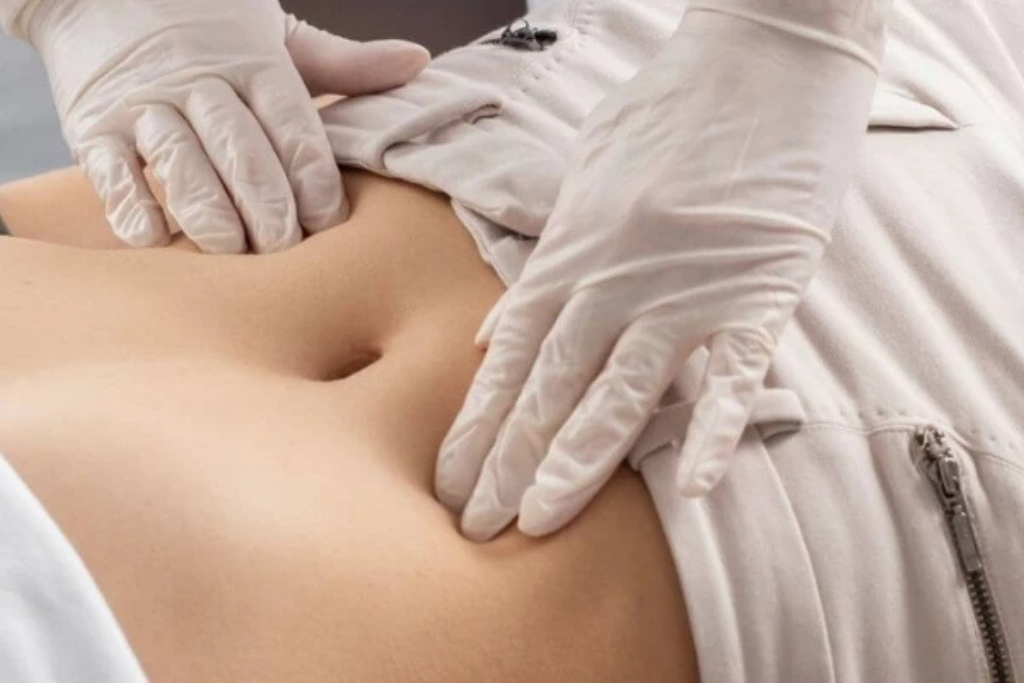
What Is a Hernia?
A hernia occurs when an internal organ or tissue pushes through a weak spot in the surrounding muscle or connective tissue. Think of it like a tire bulging through a weak section — pressure eventually forces tissue outward.
Hernias commonly develop in the abdomen or groin and can range from painless to severely uncomfortable. Some remain stable for years, while others worsen quickly and require immediate surgery.
Common Types of Hernias
Inguinal Hernia
The most common type, occurring in the groin area. It affects men more frequently than women.
Umbilical Hernia
Develops near the belly button and is common in infants and adults with increased abdominal pressure.
Hiatal Hernia
Occurs when part of the stomach moves upward into the chest through the diaphragm.
Incisional Hernia
Appears at the site of a previous surgical incision.
Femoral Hernia
Less common but more likely to cause complications, especially in women.
Hernia Statistics You Should Know
Understanding hernia statistics highlights why early treatment matters.
- More than 1 million hernia repairs are performed annually in the United States.
- Around 20 million hernia surgeries take place worldwide each year.
- Inguinal hernias affect approximately 25% of men and 2% of women during their lifetime.
- Studies suggest nearly 70% of men who delay inguinal hernia surgery develop worsening symptoms within five years.
- Long-term recurrence rates show approximately 16% may require reoperation within 10 years.
According to the National Institute of Diabetes and Digestive and Kidney Diseases (NIDDK) untreated hernias can enlarge over time and may lead to complications such as obstruction or strangulation.
When Does a Hernia Become Dangerous?
Not every hernia requires immediate surgery, but some signs indicate the condition is becoming risky.
Warning Signs Include:
- Increasing pain or discomfort
- A growing bulge
- Nausea or vomiting
- Difficulty passing stool
- Redness around the hernia
- Fever
- Sudden severe pain
If blood supply to the trapped tissue becomes blocked, the hernia becomes strangulated, which is a medical emergency.
Signs You May Need Hernia Surgery
Doctors often recommend surgery when:
The Hernia Causes Pain
Pain during lifting, coughing, or standing can indicate worsening weakness.
The Hernia Is Growing
A larger hernia is more difficult to repair and more likely to cause complications.
Daily Activities Become Difficult
Simple tasks such as walking or exercising may become uncomfortable.
There’s Risk of Strangulation
Some hernias carry a higher risk of trapping tissue.
Digestive Symptoms Appear
Especially in hiatal hernias, symptoms like acid reflux and difficulty swallowing may worsen.
Can a Hernia Heal Without Surgery?
Unfortunately, hernias do not heal on their own. While supportive garments and lifestyle changes may reduce discomfort temporarily, the muscle weakness remains.
A small, symptom-free hernia may only need monitoring initially. However, many eventually require surgical repair.
Risks of Delaying Hernia Repair
Ignoring a hernia can lead to:
- Chronic pain
- Enlargement of the hernia
- Intestinal blockage
- Reduced blood supply to tissue
- Emergency surgery
Delaying treatment is similar to ignoring a crack in a wall — the damage often spreads gradually until urgent repair becomes unavoidable.
Hernia Surgery Statistics and Success Rates
Modern hernia surgery is highly successful, especially with minimally invasive techniques.
Success Rates
- Most patients return to normal activities within weeks.
- Laparoscopic hernia repair has lower infection risk and faster recovery.
- Recurrence rates are significantly reduced when surgery is performed by experienced specialists.
The World Health Organization (WHO) – Digestive Diseases Information emphasizes the importance of timely diagnosis and proper surgical care for gastrointestinal conditions.
Minimally Invasive Hernia Repair Options
Laparoscopic Hernia Surgery
Small incisions and a camera-guided approach reduce recovery time.
Robotic Hernia Surgery
Offers enhanced precision for complex hernias.
Open Hernia Repair
Still effective for larger or complicated cases.
Patients searching for advanced hernia repair in Dubai often prefer minimally invasive approaches because they usually involve:
- Less pain
- Smaller scars
- Faster recovery
- Shorter hospital stays
Recovery After Hernia Surgery
Recovery varies depending on the procedure and patient health.
Typical Recovery Timeline
- Light activity: within a few days
- Return to work: 1–2 weeks
- Full exercise: 4–6 weeks
Recovery Tips
- Avoid heavy lifting
- Maintain healthy weight
- Eat fiber-rich foods
- Stay hydrated
- Follow post-operative instructions carefully
How Long Can You Live With a Hernia?
Some people live with small hernias for years without major issues. However, there’s no reliable way to predict when complications might occur.
That’s why regular monitoring by a qualified specialist is important.
Factors Doctors Consider Before Surgery
Surgeons evaluate several factors before recommending surgery:
- Hernia size
- Pain severity
- Risk of strangulation
- Age and overall health
- Previous surgeries
- Activity level
Lifestyle Changes That May Help
While lifestyle changes won’t cure a hernia, they may reduce symptoms.
Helpful Habits
- Maintain healthy body weight
- Stop smoking
- Avoid heavy lifting
- Treat chronic cough
- Prevent constipation
When to Seek Emergency Medical Care
Seek immediate medical attention if you experience:
- Severe sudden pain
- Vomiting
- Fever
- A hernia that becomes hard or discolored
- Inability to push the bulge back in
These may indicate a strangulated hernia requiring urgent surgery.
Choosing the Right Hernia Specialist
Choosing an experienced gastrointestinal and laparoscopic surgeon significantly improves outcomes.
Look for:
- Board certification
- Experience in minimally invasive surgery
- Strong patient reviews
- Advanced surgical technology
- Personalized treatment plans
Patients searching for the best hernia surgeon in Dubai often prioritize expertise in laparoscopic and robotic procedures for safer recovery and reduced recurrence risk.
Call to Action: Don’t Ignore Hernia Symptoms
If you’re experiencing pain, swelling, or discomfort from a hernia, early evaluation can prevent serious complications later. Timely consultation helps determine whether monitoring or surgery is the safest option for your condition.
Learn more about advanced hernia repair in Dubai and schedule a consultation with a specialist experienced in minimally invasive gastrointestinal surgery.
Why Choose Dr. Manish Madnani in Dubai?
Dr. Manish Madnani is recognized for expertise in advanced gastrointestinal and laparoscopic procedures, offering patient-focused care with modern surgical techniques.
Reasons Patients Trust Him
- Extensive experience in GI and hernia surgery
- Minimally invasive surgical expertise
- Personalized treatment plans
- Modern hospital facilities
- Focus on faster recovery and long-term outcomes
Patients looking for the best hernia surgeon in Dubai often choose his clinic for comprehensive diagnosis, advanced technology, and compassionate care.
Conclusion
So, when does a hernia require surgery? The answer depends on symptoms, risks, and quality of life. While some hernias remain manageable for a time, many worsen gradually and may eventually lead to complications. Persistent pain, enlargement, digestive symptoms, or signs of strangulation are strong indicators that surgery may be necessary.
Early diagnosis and expert evaluation are the best ways to prevent emergencies and ensure safer recovery. If you suspect a hernia or your symptoms are worsening, consulting an experienced specialist can help you make the right decision at the right time.
FAQs
No. Hernias do not heal naturally because the muscle weakness remains.
Not always immediately, but many hernias eventually require repair due to worsening symptoms.
It can enlarge, become painful, or develop serious complications like strangulation.
Yes. It is widely considered safe and often offers faster recovery and less pain.
Most patients experience mild to moderate discomfort that improves within days.