
Gallstones: Causes, Symptoms, and When Surgery Is Needed
Gallstones are one of the most common digestive disorders affecting adults worldwide. While some people may never realize they have them, others experience severe abdominal pain, nausea, and complications that require urgent medical attention. Understanding gallstones symptoms causes surgery needed statistics can help patients recognize warning signs early and seek timely treatment.
At Dr. Manish Madnani Official Website, patients receive advanced gastrointestinal and minimally invasive surgical care in Dubai. If you are experiencing persistent digestive discomfort or recurring gallbladder attacks, learn more about gallbladder removal in Dubai and expert treatment options available for long-term relief.
Understanding Gallstones
What Are Gallstones?
Gallstones are hardened deposits that form inside the gallbladder, a small organ located beneath the liver. The gallbladder stores bile, which helps digest fats. When the balance of substances in bile becomes disrupted, stone-like formations can develop.
These stones can range from tiny grains of sand to golf-ball-sized masses. Some people develop one large stone, while others may have several smaller stones.
How Common Are Gallstones?
According to the National Institute of Diabetes and Digestive and Kidney Diseases (NIDDK), gallstones affect millions of people globally, with nearly 10–15% of adults developing them at some point in life.
Interestingly, many gallstones remain “silent,” meaning they cause no symptoms. However, symptomatic gallstones can quickly become painful and dangerous.
Types of Gallstones
There are two primary types:
- Cholesterol gallstones – the most common type
- Pigment gallstones – formed due to excess bilirubin
What Causes Gallstones?
Cholesterol Imbalance
When bile contains too much cholesterol, crystals may form and harden into stones over time.
Excess Bilirubin
Certain liver conditions and blood disorders can increase bilirubin production, contributing to pigment gallstones.
Poor Gallbladder Emptying
A sluggish gallbladder may not empty properly, allowing bile to become concentrated and form stones.
Lifestyle and Dietary Factors
Common gallstones causes and symptoms are often linked to:
- High-fat diets
- Obesity
- Rapid weight loss
- Sedentary lifestyle
- Diabetes
- Pregnancy
Think of the gallbladder like a storage tank. If the contents sit too long without proper flow, sediments begin to collect — much like mineral deposits in a water pipe.
Gallstones Statistics and Risk Factors
Who Is More Likely to Develop Gallstones?
Several risk factors increase the likelihood of gallstones:
- Women over 40
- Individuals with obesity
- People with diabetes
- Those with a family history of gallstones
Gallstones in Men vs Women
Women are more prone to gallstones due to hormonal influences, especially estrogen.
Obesity, Diabetes, and Age Connection
The risk rises significantly with age and metabolic conditions. Obesity increases cholesterol levels in bile, making stone formation more likely.
Gallstones Symptoms You Should Never Ignore
Sudden Abdominal Pain
The most recognizable symptom is sudden pain in the upper-right abdomen, often after eating fatty foods.
Nausea and Vomiting
Digestive distress commonly accompanies gallbladder attacks.
Fever and Jaundice
If gallstones block bile ducts, symptoms may escalate to:
- Fever
- Chills
- Yellowing of the skin or eyes
- Dark urine
Silent Gallstones
Not all gallstones cause symptoms. Silent gallstones are often discovered accidentally during imaging tests.
When Gallstones Become Dangerous
Gallbladder Inflammation
Blocked bile flow can inflame the gallbladder, causing acute cholecystitis.
Blocked Bile Ducts
Gallstones can obstruct ducts, leading to infection and severe pain.
Pancreatitis and Infection Risks
In rare cases, gallstones trigger pancreatitis, a potentially life-threatening condition.
The World Gastroenterology Organisation (WGO) emphasizes early diagnosis and timely treatment to avoid serious complications.
Gallstones Diagnosis
Physical Examination
Doctors assess symptoms and abdominal tenderness.
Ultrasound and Imaging Tests
Ultrasound remains the most reliable imaging method for detecting gallstones.
Blood Tests
Blood work may identify infection, inflammation, or bile duct obstruction.
Gallstones Treatment Options
Lifestyle Changes
Mild cases may improve with:
- Low-fat diets
- Weight management
- Regular exercise
Medications
Some medications dissolve cholesterol stones, though results are often temporary.
Minimally Invasive Surgery
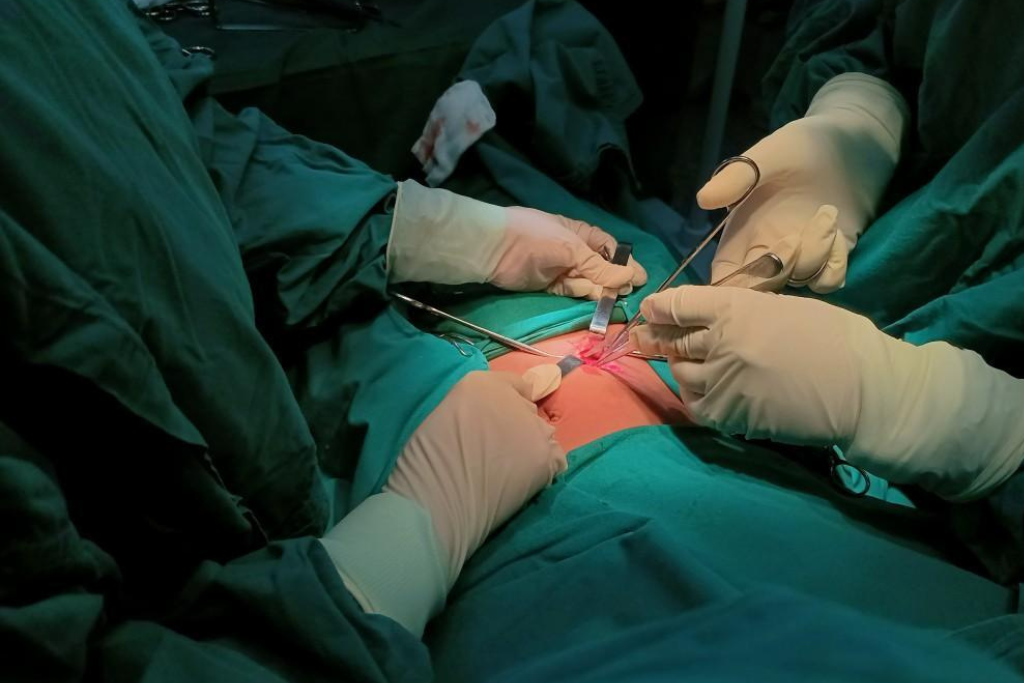
For recurring symptoms, laparoscopic surgery is the gold standard.
Patients considering gallbladder stones surgery in Dubai often benefit from minimally invasive techniques that reduce pain and speed recovery.
When Surgery Is Needed for Gallstones
Recurrent Pain Attacks
Repeated gallbladder attacks are a strong indicator that surgery may be necessary.
Complications and Emergency Cases
Immediate surgery is often required when patients develop:
- Infection
- Pancreatitis
- Blocked bile ducts
- Severe inflammation
Why Gallbladder Removal Is Often Recommended
The gallbladder is not essential for survival. Removing it eliminates the source of stone formation and prevents future attacks.
For patients seeking expert gallbladder removal in Dubai, minimally invasive laparoscopic surgery offers faster healing and reduced hospital stays.
Recovery After Gallbladder Surgery
Laparoscopic Recovery Timeline
Most patients return home within 24 hours and resume normal activities within one to two weeks.
Diet After Surgery
A temporary low-fat diet helps the digestive system adjust after surgery.
Long-Term Outlook
Most individuals live healthy, normal lives without a gallbladder.
Preventing Gallstones Naturally
While not all gallstones can be prevented, healthy habits significantly reduce risk:
- Maintain a balanced weight
- Avoid crash diets
- Eat fiber-rich foods
- Stay physically active
- Limit saturated fats
Why Choose Dr. Manish Madnani for Gallbladder Surgery in Dubai?
Choosing the right gastrointestinal surgeon matters. Dr. Manish Madnani is known for advanced minimally invasive procedures, patient-centered care, and extensive expertise in gastrointestinal surgery.
Patients looking for expert gallbladder stones surgery in Dubai benefit from:
- Advanced laparoscopic techniques
- Personalized treatment plans
- Faster recovery protocols
- Compassionate patient care
- International standards of surgical excellence
Conclusion
Gallstones are common, but they should never be ignored when symptoms appear. Understanding gallstones symptoms causes surgery needed statistics helps patients recognize when medical evaluation is necessary. While some gallstones remain silent, others can lead to serious complications requiring urgent surgical care.
Early diagnosis, lifestyle management, and timely treatment are key to preventing long-term digestive problems. If you are experiencing recurring abdominal pain or digestive discomfort, consulting an experienced gastrointestinal surgeon can make all the difference.
FAQs
Small cholesterol stones may dissolve with medication, but symptomatic gallstones often require surgery.
Fatty, fried, and processed foods commonly trigger symptoms.
Pain can range from mild discomfort to severe attacks lasting several hours.
Yes. Laparoscopic gallbladder removal is considered a safe and commonly performed procedure.
Absolutely. Most people digest food normally after recovery.