

Difference Between Hemorrhoids and Colon Cancer: Know the Signs
Why This Comparison Matters
If you’ve ever experienced rectal bleeding, itching, or discomfort, you might have wondered — is it just hemorrhoids, or could it be something more serious like colon cancer? You’re not alone. Studies reveal that nearly 90% of rectal cancer patients initially believe they have hemorrhoids.
Because both conditions share similar symptoms, understanding the difference is crucial for timely diagnosis and effective treatment.
Because both conditions share similar symptoms, understanding the difference is crucial for timely diagnosis and effective treatment.
At Dr. Manish Madnani’s Clinic, our expert colorectal surgery in Dubai services, led by the best colorectal surgeon in Dubai, focus on accurate diagnosis and advanced treatment of gastrointestinal and colorectal conditions.
What Are Hemorrhoids?
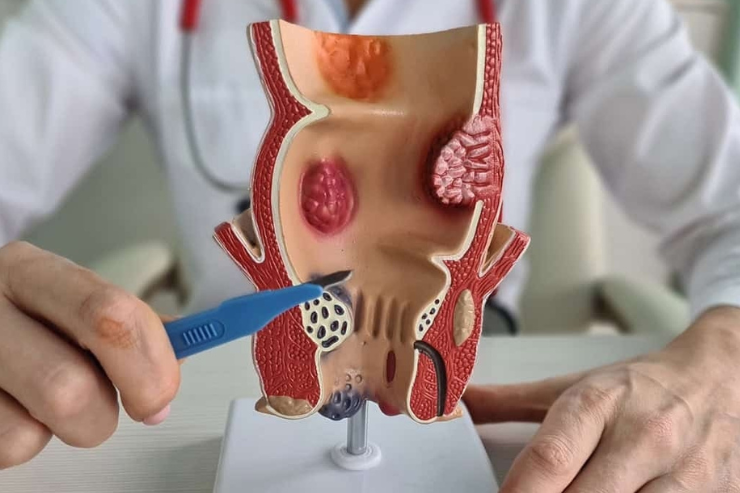
Hemorrhoids are swollen veins in the lower rectum or around the anus. They are incredibly common, affecting up to 50–66% of adults at some point in life. While uncomfortable, they are non-cancerous and typically respond well to lifestyle changes and minor treatments.
Common causes of hemorrhoids include:
- Chronic constipation or straining during bowel movements
- Sitting for long periods
- Pregnancy and childbirth
- Low-fiber diets
- Obesity or lack of physical activity
There are three main types of hemorrhoids:
- Internal hemorrhoids: Found inside the rectum and may cause painless bleeding.
- External hemorrhoids: Appear under the skin around the anus and may cause itching or swelling.
- Thrombosed hemorrhoids: Occur when a blood clot forms inside, causing severe pain.
What Is Colon Cancer?
Colon cancer, also known as colorectal cancer, starts in the large intestine or rectum. It’s one of the most common cancers globally, with over 154,000 new cases expected in 2025. Unlike hemorrhoids, colon cancer can be life-threatening if not detected early.
It typically develops from small growths called polyps that can turn cancerous over time.
Key risk factors include:
Key risk factors include:
- Age over 45
- Family history of colorectal cancer
- Diet low in fiber and high in red meat
- Sedentary lifestyle, smoking, or alcohol use
- Inflammatory bowel disease (IBD)
Hemorrhoids vs. Colon Cancer: Key Differences at a Glance
Below is a clear symptom comparison table to help you understand the difference between these two conditions:
Hemorrhoids treatment:
| Feature | Hemorrhoids | Colon Cancer |
|---|---|---|
| Bleeding | Bright red blood on toilet paper or after bowel movement | Dark red or black blood mixed with stool |
| Pain | Itching, irritation, or swelling near anus | Cramping or persistent abdominal pain |
| Lumps | Soft, rubbery, or bulging veins | Hard, firm, irregular lumps or masses |
| Duration | Episodic and improves with care | Persistent and progressive over time |
| Bowel Habits | Normal or mild constipation | Changes in stool shape, diarrhea, or constipation |
| Other Symptoms | Local discomfort and itching | Weight loss, fatigue, and anemia |
| Age Group | Common between 30–60 years | Usually after 45 (but rising in younger adults) |
Red Flag Signs That May Indicate Colon Cancer
Certain symptoms should never be ignored, as they may indicate colon cancer rather than hemorrhoids:
- Unexplained weight loss
- Persistent fatigue or weakness
- Dark or tarry stools (not bright red)
- Changes in bowel movements lasting more than a week
- Hard lumps or a feeling of incomplete bowel emptying