
What Is Fatty Liver Disease? Symptoms, Stages and Treatment
Introduction: The Silent Liver Epidemic
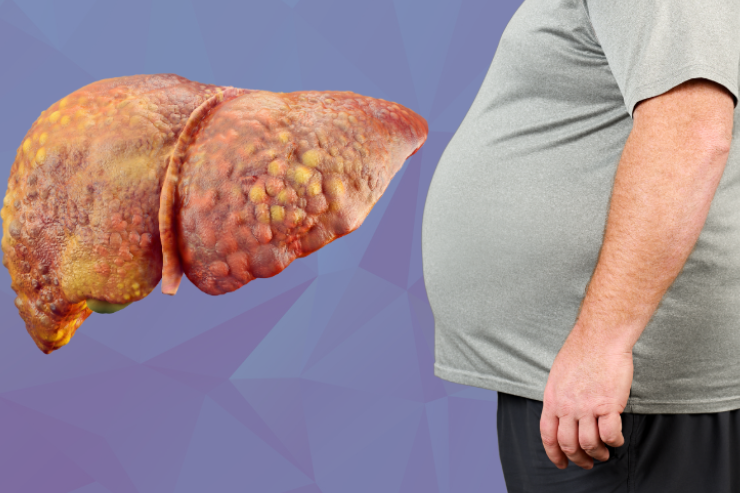
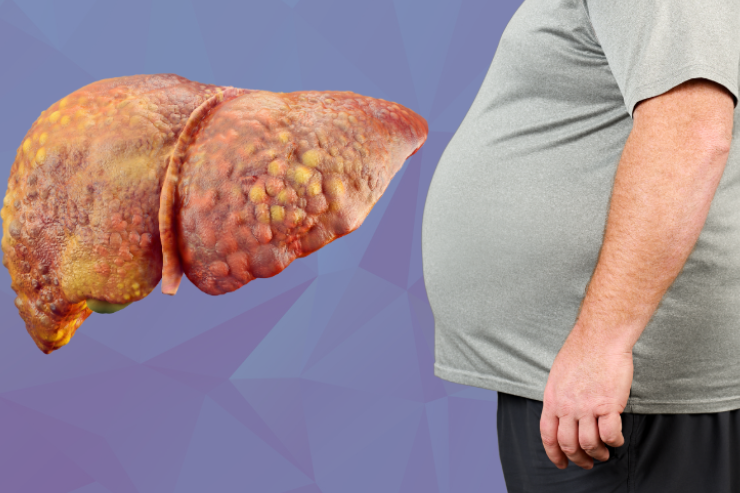
Did you know that more than one in three adults globally has some form of fatty liver disease? Most people don’t even realize it until it silently progresses into a more serious condition. Fatty liver—technically called hepatic steatosis—occurs when excess fat builds up inside liver cells, disrupting its ability to filter toxins and metabolize nutrients.
As a leading gastrointestinal surgeon in Dubai, Dr. Manish Madnani explains that early awareness is crucial: fatty liver can be reversed in its early stages with proper care and lifestyle changes. Fatty liver—technically called hepatic steatosis—occurs when excess fat builds up inside liver cells, disrupting its ability to filter toxins and metabolize nutrients.
Learn more about advanced liver disease treatment with Dubai’s best gastro surgeon Dr. Manish Madnani.
What Is Fatty Liver Disease (NAFLD / MASLD)?
“Fatty liver disease” is a broad term describing excessive fat accumulation—over 5 % of liver weight.
There are two main types:
- MASLD (Metabolic Dysfunction Associated Steatotic Liver Disease) — previously called NAFLD. It’s unrelated to alcohol and linked to obesity, diabetes, and metabolic syndrome.
- ALD (Alcohol-Associated Liver Disease) — caused by chronic alcohol intake.
In 2023, experts officially renamed NAFLD to MASLD to highlight its metabolic nature. Both names remain in use globally.
How Common Is Fatty Liver Disease?
Recent studies show alarming trends:
- Global prevalence: 32–39 % of adults, forecasted to hit 55.7 % by 2040.
- Up to 75 % of people with type 2 diabetes have MASLD.
- More than 70 % of patients are overweight or obese.
- By 2040, men may reach 60 % prevalence, women 50 %.
These statistics highlight a metabolic and lifestyle-driven public-health crisis.
How Common Is Fatty Liver Disease?
These statistics highlight a metabolic and lifestyle-driven public-health crisis.
Simple Steatosis
Fat builds up, but there’s no inflammation or damage. Usually reversible with diet and weight loss.
Steatohepatitis (NASH / MASH)
Inflammation begins, causing mild liver-cell injury.
Fibrosis
Repeated inflammation forms scar tissue around the liver. Still partially reversible.
Cirrhosis
Extensive scarring disrupts blood flow and function—an irreversible stage that may lead to liver failure or cancer.
How Common Is Fatty Liver Disease?
Most patients have no symptoms in early stages, making regular check-ups essential.
When present, symptoms can include:
- Persistent fatigue and weakness
- Mild pain or heaviness in the upper right abdomen
- Unexplained weight loss or loss of appetite
- Swelling in the abdomen (ascites)
- Yellowing of skin or eyes (jaundice)
- Severe itching (pruritus)
Don’t ignore persistent fatigue or abdominal discomfort—these can be early fatty liver disease symptoms.
Consult Dr. Manish Madnani – Best Gastro Surgeon Dubai for accurate evaluation.
Major Causes and Risk Factors
- Obesity – over 70 % of MASLD patients are obese.
- Type 2 Diabetes / Prediabetes – 75 % coexistence rate.
- High cholesterol and triglycerides.
- Sedentary lifestyle and poor diet.
- Genetic and age-related factors.
- Smoking and alcohol intake (worsen progression).
How Is Fatty Liver Diagnosed?
Since early stages are silent, detection relies on screening and imaging:
- Liver function tests (LFTs) for AST/ALT levels
- Ultrasound to spot fat accumulation
- FibroScan (Elastography) for stiffness measurement
- CT or MRI scans for advanced cases
- Liver biopsy – the gold standard for confirming NASH or fibrosis
Fatty Liver Treatment Options
Lifestyle Modification – First-Line Therapy
- Lose 5–10 % body weight to reduce fat and inflammation.
- Eat a balanced diet rich in vegetables and omega-3 fats.
- Exercise 150 minutes/week to improve insulin sensitivity.
- Avoid alcohol and sugary drinks.
Medical Management
- GLP-1 agonists (e.g., liraglutide, semaglutide) reduce liver fat by ≈ 4 %.
- Vitamin E and pioglitazone show anti-inflammatory benefits in NASH.
- Control underlying diabetes, lipids, and hypertension.
Surgical and Advanced Options
- Bariatric surgery can cut liver fat by > 14 % and improve fibrosis.
- Minimally invasive laparoscopic procedures support severe cases with obesity or comorbidities.
Can Fatty Liver Disease Be Reversed?
Yes—stages 1 and 2 are often reversible.
Once fibrosis advances to cirrhosis, scarring is permanent.
However, even at late stages, slowing disease progression prevents complications like liver cancer or failure.
Once fibrosis advances to cirrhosis, scarring is permanent.
However, even at late stages, slowing disease progression prevents complications like liver cancer or failure.
Complications of Untreated Fatty Liver
- Cirrhosis and liver failure
- Portal hypertension and ascites
- Liver cancer (HCC)
- Cardiovascular disease – the leading cause of death in MASLD
Prevention and Healthy Liver Habits
- Maintain a healthy BMI (< 25).
- Limit processed foods and refined carbs.
- Manage diabetes and cholesterol through regular check-ups.
- Get adequate sleep and hydrate well.
- Avoid self-medication or unnecessary supplements.
Living with Fatty Liver Disease
A diagnosis is not a life sentence.
With consistent lifestyle changes and medical supervision, patients can restore liver function and lead healthy lives.
Modern minimally invasive procedures and metabolic therapies make management easier than ever.
With consistent lifestyle changes and medical supervision, patients can restore liver function and lead healthy lives.
Modern minimally invasive procedures and metabolic therapies make management easier than ever.
Why Choose Dr. Manish Madnani for Liver Disease Treatment in Dubai
Dr. Manish Madnani is a renowned gastrointestinal and hepatobiliary surgeon specializing in advanced minimally invasive GI and liver surgery.
With years of expertise in fatty liver disease management and metabolic surgery, he offers evidence-based treatments tailored to each patient’s condition.
With years of expertise in fatty liver disease management and metabolic surgery, he offers evidence-based treatments tailored to each patient’s condition.
Discover expert-led care for fatty liver disease symptoms and treatment with Dubai’s trusted specialist Dr. Manish Madnani.
Call to Action
Early intervention can reverse damage and protect your future. Book a consultation with Dr. Manish Madnani today for personalized assessment and treatment plans.
FAQs
Usually metabolic syndrome – obesity, diabetes, and high cholesterol.
Yes, especially in the early stages through weight loss and healthy habits.
If untreated, it can progress to cirrhosis or liver cancer.
Fatigue, abdominal discomfort, and mild nausea—though many have no symptoms initially.
Through blood tests, ultrasound, and specialized liver imaging (FibroScan).
Typically 6–12 months with consistent lifestyle modifications.
No—many non-drinkers develop MASLD due to metabolic issues.