
Can Pregnancy Cause HERNIA? Hernia During Pregnancy
Hernia in Pregnancy
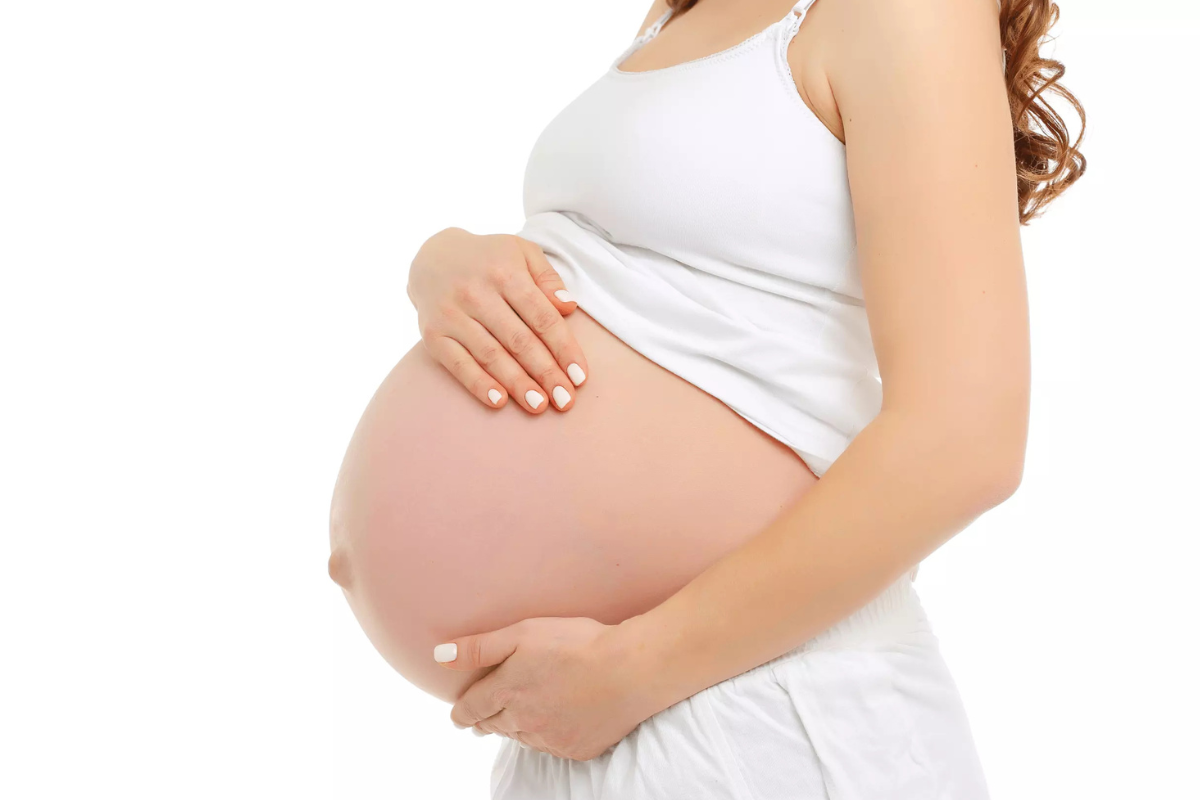
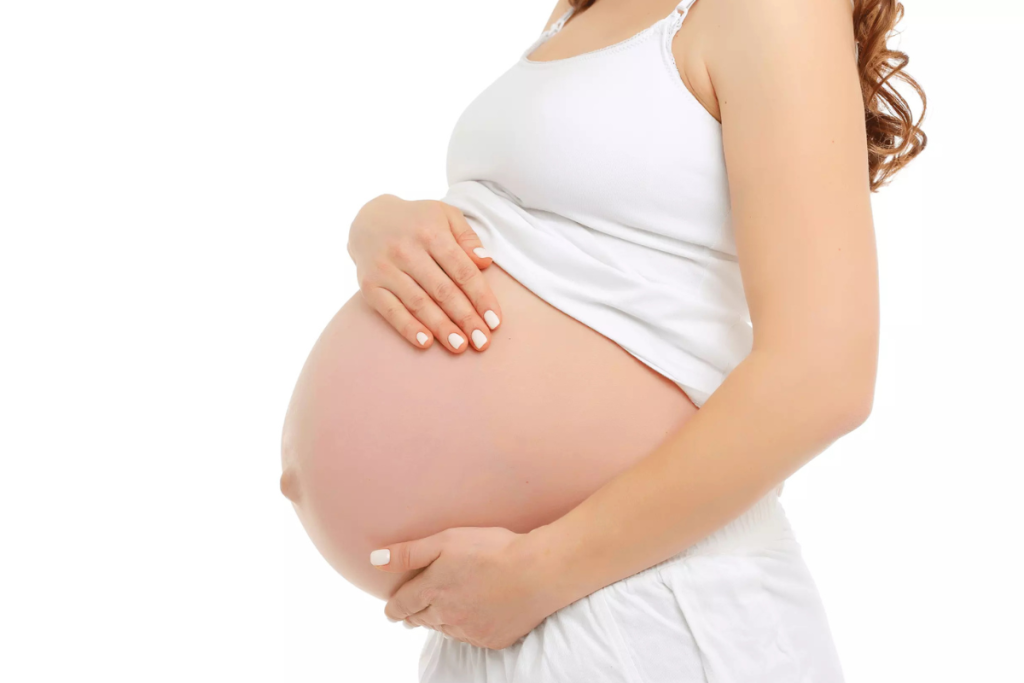
Pregnancy is an exciting and transformative journey, but it also comes with physical changes that can put extra stress on the body. One condition that may arise is a hernia during pregnancy. A hernia happens when an organ or tissue pushes through a weak spot in the abdominal wall.
So, can pregnancy cause a hernia? The answer is yes. While not all women will experience it, the chances increase due to the stretching of abdominal muscles, hormonal changes, and rising pressure from the growing uterus.
If you’re dealing with hernia-related symptoms, consulting a specialist early is key. Dr. Manish Madnani, a leading gastrointestinal surgeon, is recognized as the best hernia specialist in Dubai for safe and effective treatment options.
Types of Hernias Commonly Seen in Pregnancy
Umbilical Hernia in Pregnancy
This type appears near the belly button, often showing as a bulge. It’s one of the most common hernias during pregnancy because the navel area is naturally weaker.
Inguinal Hernia During Pregnancy
Although more frequent in men, women can also develop inguinal hernias. They usually appear in the groin area and may become noticeable when coughing or straining.
Incisional Hernia in Pregnant Women
If you’ve had prior abdominal surgery such as a C-section, the surgical scar may create a weak point where an incisional hernia can develop under pregnancy pressure.
Causes of Hernia in Pregnancy
The main triggers include:
- Abdominal pressure from the expanding uterus
- Hormonal changes that loosen connective tissues
- Past abdominal surgeries (like C-sections)
- Pre-existing weaknesses in the abdominal wall
These factors often combine, making hernias more likely during pregnancy.
Pregnancy Hernia Symptoms: What to Watch Out For
Umbilical Hernia in Pregnancy Symptoms
- Bulge near the navel
- Pain when sneezing, laughing, or lifting
- Tenderness in the area
Inguinal Hernia Symptoms While Pregnant
- Lump in the groin region
- Pain or burning sensation
- Discomfort with movement
Serious Warning Signs
Seek urgent medical help if you notice:
- Sudden severe pain
- Redness or swelling
- Nausea, vomiting, or inability to pass stool (possible strangulated hernia)
Risk Factors for Pregnancy Hernias
Some women are more likely to develop hernias during pregnancy, especially if they have:
- A family history of hernias
- Obesity or rapid pregnancy weight gain
- Multiple pregnancies (twins, triplets, etc.)
- Chronic cough or constipation
- History of abdominal surgery
Hernia Complications During Pregnancy
While many hernias remain harmless, complications may arise:
- Persistent pain and discomfort
- Risk of strangulated hernia (requires emergency surgery)
- Challenges during delivery in severe cases
According to the World Health Organization – Digestive Diseases,untreated hernias can cause long-term digestive health issues, emphasizing the importance of proper monitoring.
Diagnosis of Hernia During Pregnancy
Doctors typically use:
- Physical examination
- Ultrasound imaging (safe in pregnancy)
- Medical history review
Early diagnosis helps in planning safe management strategies.
Treatment of Hernia During Pregnancy
Watchful Waiting
Most hernias are managed conservatively during pregnancy unless complications develop.
Minimally Invasive Hernia Repair in Pregnancy
If a strangulated hernia occurs, minimally invasive surgery may be necessary. Surgeons weigh the risks based on trimester and mother’s health.
Best Timing for Hernia Repair
- Before pregnancy – ideal for women with known hernias.
- During pregnancy – surgery only in emergencies.
- After pregnancy – many women undergo postpartum hernia repair.
Managing Hernia While Pregnant – Practical Tips
- Wear a maternity support belt.
- Eat a fiber-rich diet to avoid constipation.
- Avoid heavy lifting.
- Do gentle prenatal exercises.
Postpartum Hernia Repair
After delivery, hernias may become more pronounced. Postpartum repair restores abdominal wall strength, often with minimally invasive techniques offered by Dubai’s leading specialists.
When to Repair Hernia in Pregnancy
Doctors recommend:
- Elective repair – postponed until after childbirth.
- Emergency repair – if strangulation or obstruction occurs.
Why Choose Dr. Manish Madnani for Hernia Surgery in Dubai?
Choosing an experienced surgeon is crucial for safe outcomes. Dr. Manish Madnani offers advanced laparoscopic and minimally invasive techniques, making him the go-to choice as the best hernia surgeon in Dubai. His patient-focused approach ensures both mothers and babies are well cared for throughout the journey.
Preventing Hernias During Pregnancy
- Strengthen your core muscles before pregnancy.
- Maintain a healthy weight.
- Treat cough and constipation early.
- Avoid unnecessary strain on your abdomen.
Living with a Hernia During Pregnancy – Patient Stories
Many women share that while discovering a hernia during pregnancy can be worrying, with the right medical support and lifestyle adjustments, both safe pregnancies and smooth deliveries are possible.
Call to Action – Get Expert Help Today
Don’t let a hernia create unnecessary stress during pregnancy. The sooner you consult, the better your outcome. Book your consultation today with Dubai’s trusted gastrointestinal expert, Dr. Manish Madnani.
Call to Action – Get Expert Help Today
- Pregnancy can cause hernias due to increased abdominal pressure and hormonal changes.
- Umbilical and inguinal hernias are the most common types.
- Watchful waiting is usually safe, but emergency repair may be needed in rare cases.
- Postpartum hernia repair is often recommended for long-term relief.
- Choosing the right surgeon ensures safe treatment and peace of mind.
FAQs
Yes, pregnancy can cause or worsen hernias due to abdominal pressure.
Usually avoided unless life-threatening complications occur.
In most cases, no. But complications like strangulation may pose risks.
Some may shrink, but most need repair postpartum.
If you notice a bulge, pain, or sudden discomfort, consult immediately.